
Our team is engaged in a broad range of research endeavors exploring ways to better diagnose, treat, and prevent stroke and enhance post-stroke recovery. Want to support stroke research at Penn? Click here.
Investigators
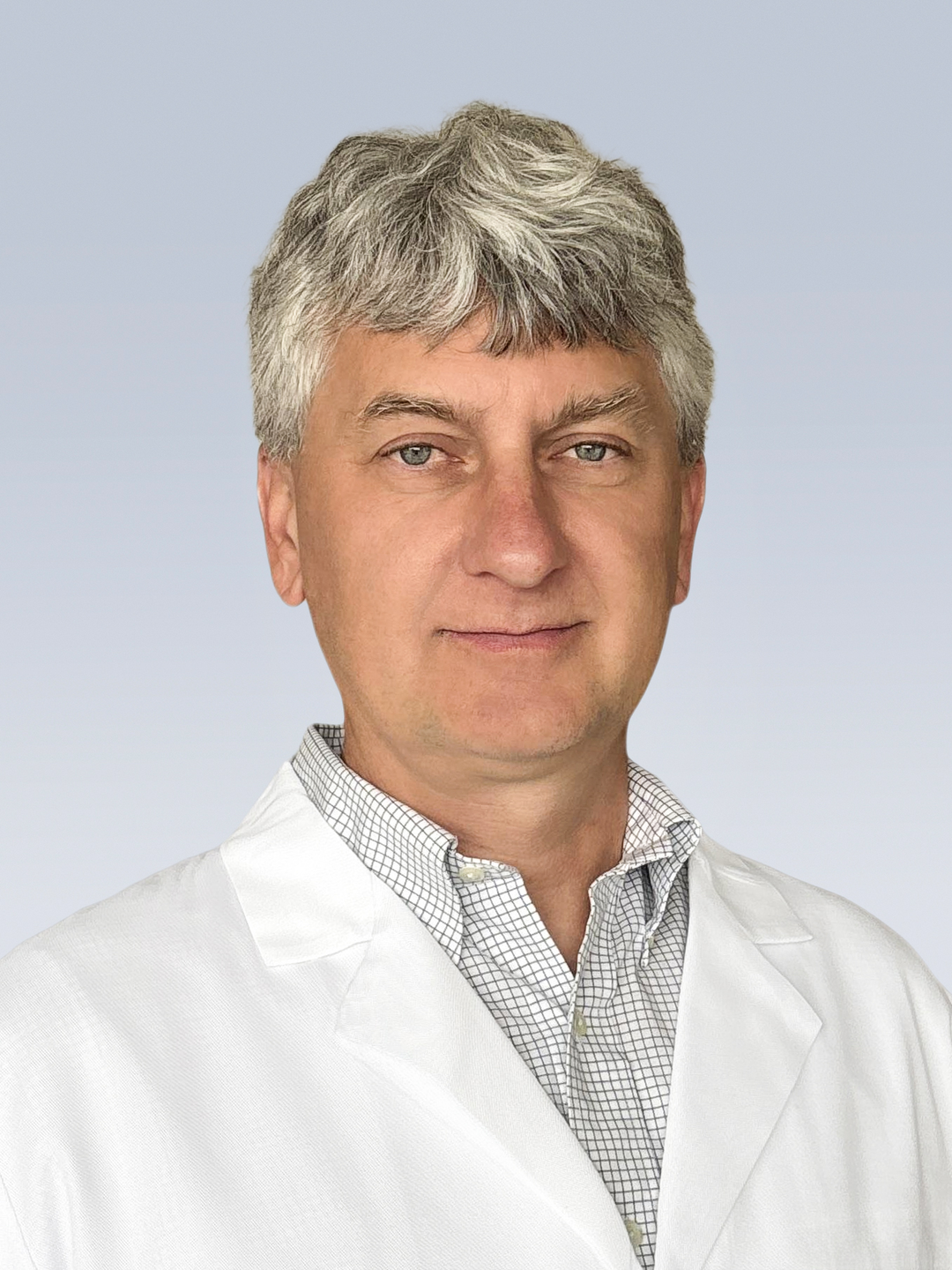
Brett Cucchiara, MD
My research has involved several distinct areas, 1) risk stratification and treatment of patients with transient ischemic attack (TIA) and minor stroke, 2) blood biomarkers in cerebrovascular disease, 3) advanced imaging of cerebral vascular structure and function with a focus on investigating the overlap between migraine and cerebrovascular disease, and 4) identifying high-risk plaque features in patients with embolic stroke of uncertain source. I also lead the clinical trial program within the Stroke Division and am the PI of the Philadelphia Regional Stroke Trials Network Coordinating Center (PRSTNCC), an NIH StrokeNet regional hub.
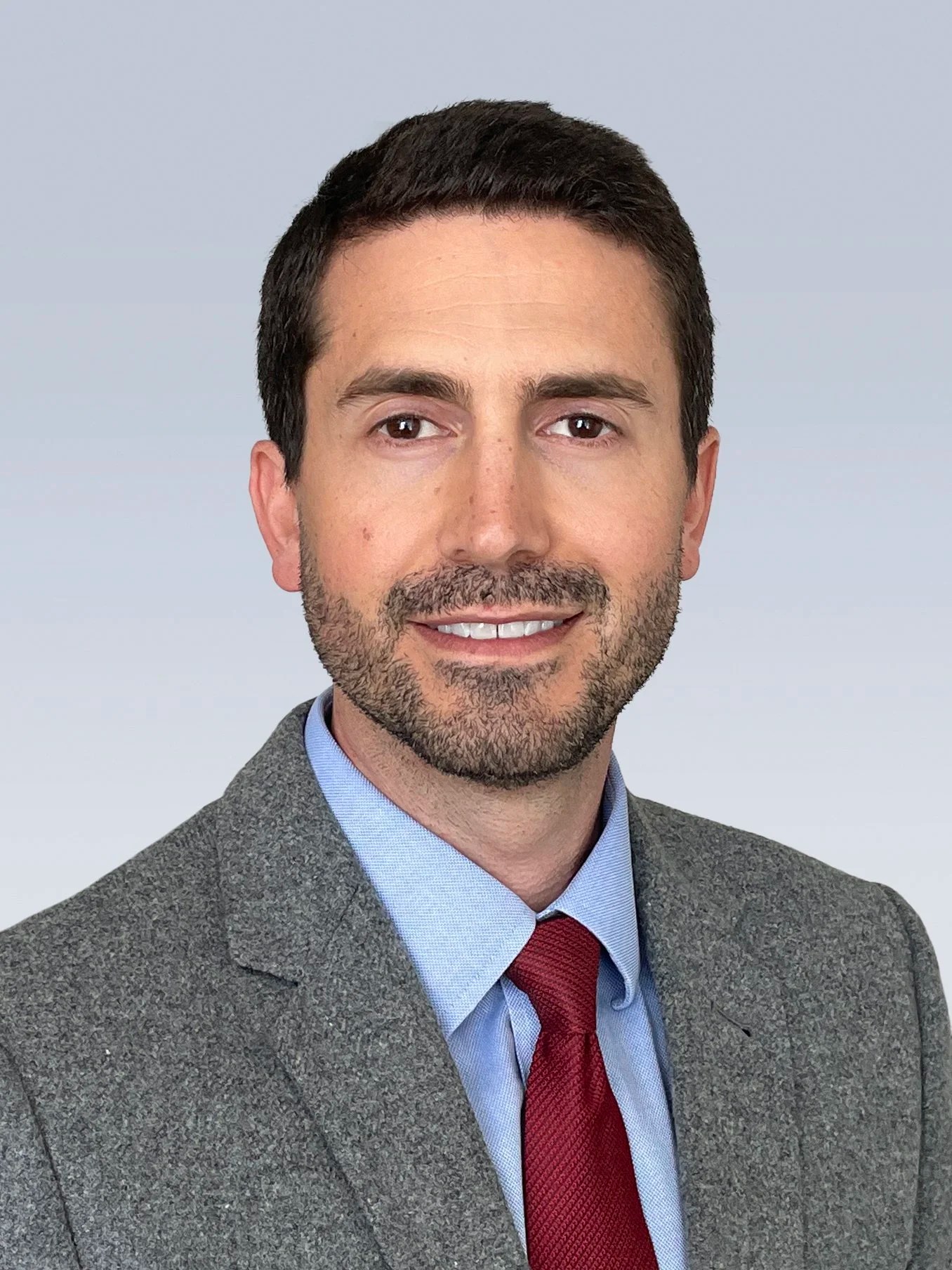
Chris Favilla, MD
My research is focused on improving acute stroke care by leveraging innovative bedside imaging modalities to optimize cerebral hemodynamics. Current projects are evaluating optical cerebral blood flow monitoring during endovascular thrombectomy, large vessel occlusion detection with bedside optical imaging, and personalized video-based stroke education. Click here for link to the Favilla lab website.

Steve Messe, MD
Mitigating perioperative stroke via neuroprotection and embolic protection has been a primary focus of my research. As a member of the NIH-funded cardiothoracic surgery research network, I am working to develop new methods to assess and improve neurologic outcomes from cardiovascular procedures. I also have a major interest in ways to more rapidly detect stroke in the post-operative period, with a research program designing and testing accelerometers as a tool to more rapidly detect arm weakness as an early sign of stroke. My research has also included work on the relationship between patent foramen ovale and stroke, and as Chair of the American Heart Association Stroke Systems of Care Committee which oversees the Get With The Guidelines national quality improvement database, on using large databases to better understand current stroke treatment practices and identify areas for improvement.
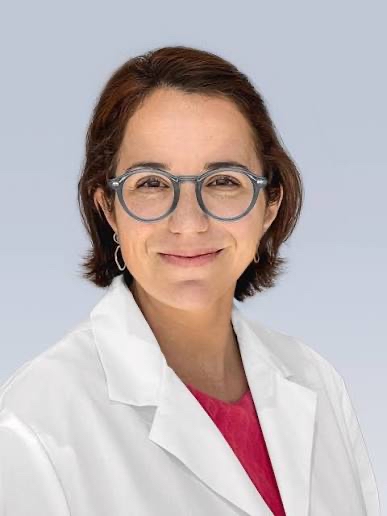
Sahily Reyes-Esteves, MD, PhD
My laboratory focuses on drug delivery and neuroinflammation in acute cerebrovascular disease. My research integrates targeted and novel lipid nanoparticle (LNP) formulations, preclinical stroke modeling, and translational neuroscience to uncover mechanisms and therapeutic strategies for a variety of cerebrovascular diseases, with a particular emphasis on intracerebral hemorrhage. My team has recently demonstrated the efficacy of targeted LNP delivery of anti-inflammatory RNA cargo in a preclinical model of intracerebral hemorrhage (ICH). Our current projects tackle direct CNS delivery of LNPs, macrophage targeting as a therapeutic strategy for hemorrhagic stroke, and the role of neuroinflammation in chronic behavioral outcomes after experimental ICH.
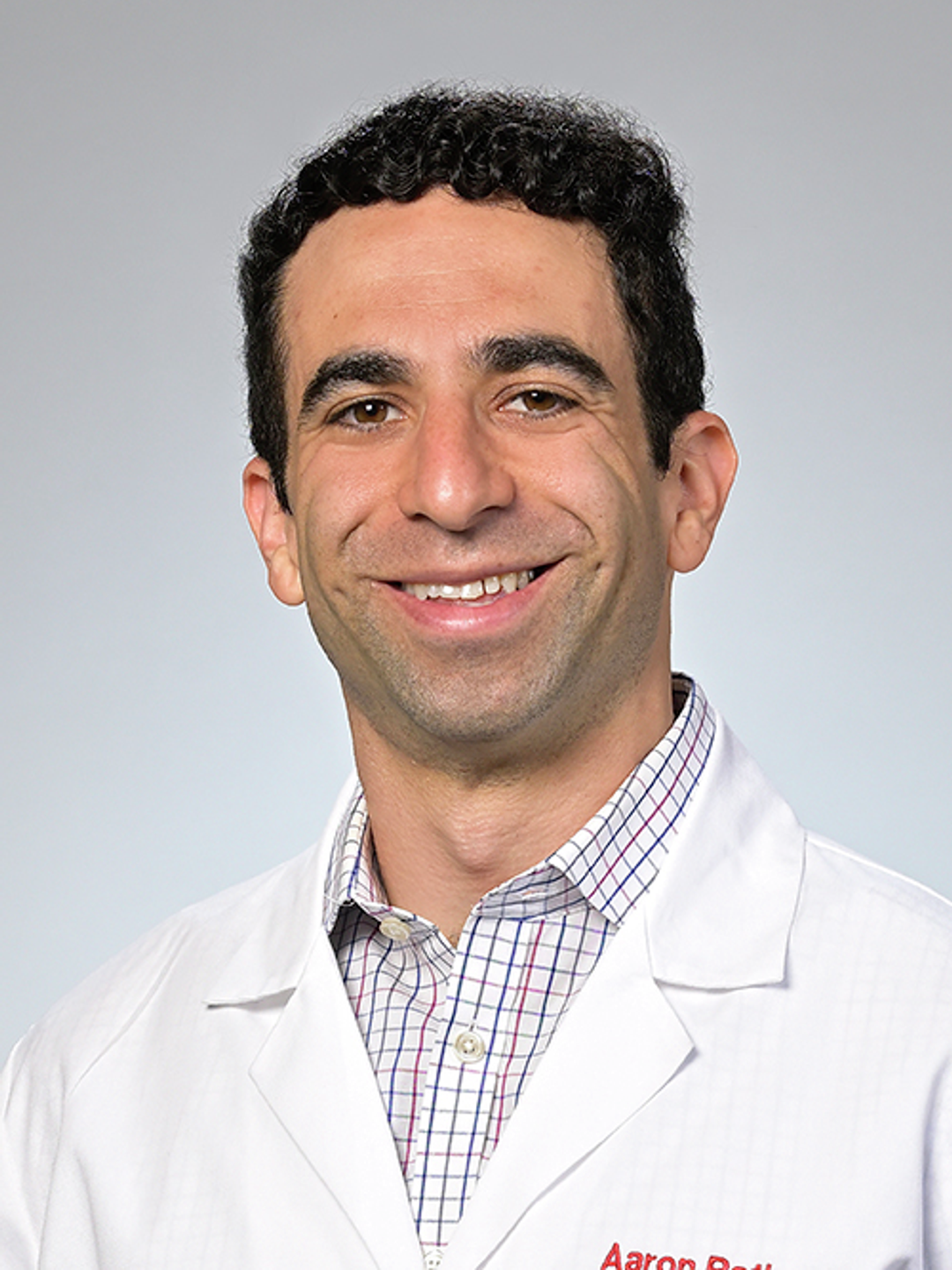
Aaron Rothstein, MD
My research focuses on how network-level brain injury after stroke drives fatigue, attention, and cognitive outcomes. My work uses lesion-network mapping and MRI to link infarct location to recovery. In addition to this ongoing research, I am interested in neurostimulants in stroke rehabilitation, white matter disease and its impact on subjective cognitive impairment, cognitive impairment after TIA, stroke recurrence in cervical arterial dissection, intracranial atherosclerosis, and cerebral venous thrombosis. Ongoing work includes a phase-2 trial of amantadine for stroke recovery, network meta-analysis on switching antithrombotics after stroke while on aspirin, a 20-year analysis of AHA guideline adherence, and a narrative review on network lesion mapping and stroke recovery.
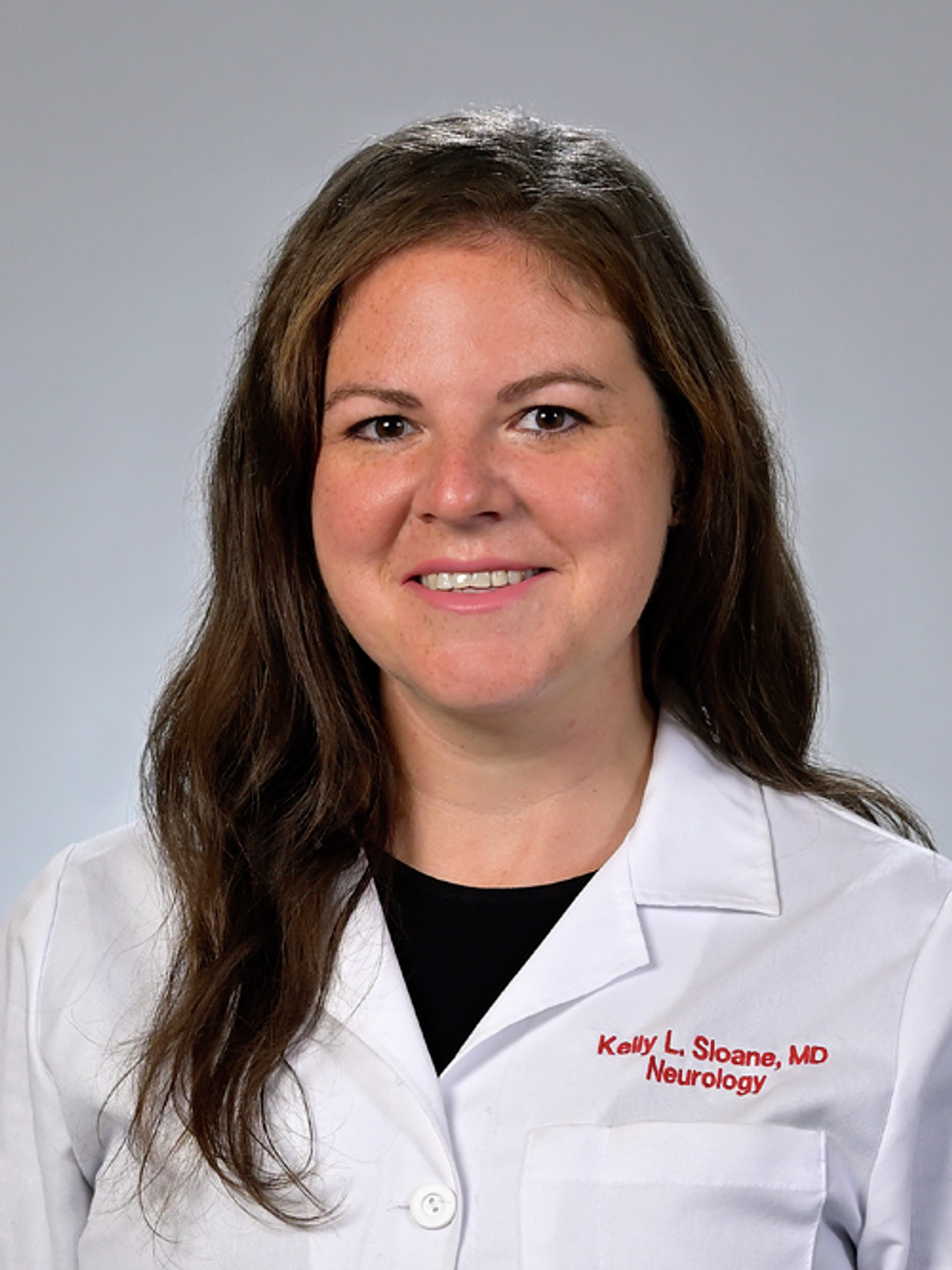
Kelly Sloane, MD
Cognitive changes after stroke are common and disabling. Despite this, few tools exist to understand the mechanisms underlying these changes and few therapies exist to ameliorate them. My research centers on understanding and harnessing neuroplasticity—the brain’s ability to reorganize, form new neural connections, and adapt after injury. I investigate how neuroplastic mechanisms support functional recovery after stroke and use these principles to design and test targeted interventions, particularly forms of non-invasive brain stimulation. My work aims to optimize rehabilitation strategies by amplifying the brain’s intrinsic ability to restore function. Click here for link to the Sloane lab website.

Natalie Ullman, MD, MPH
My research aims to characterize stroke incidence, risk factors, and recurrence risk in patients with congenital heart disease. As a pediatric neurologist, I have a particular interest in lifetime stroke risk in this population, and in ways to reduce this risk. I am also investigating ways to improve the transition of care from pediatric to adult stroke providers, evaluating diagnostic methods to identify patent foramen ovale detection in pediatric stoke, and studying the use of ultrasound as a tool for stroke diagnosis in the pediatric population.
Collaborators
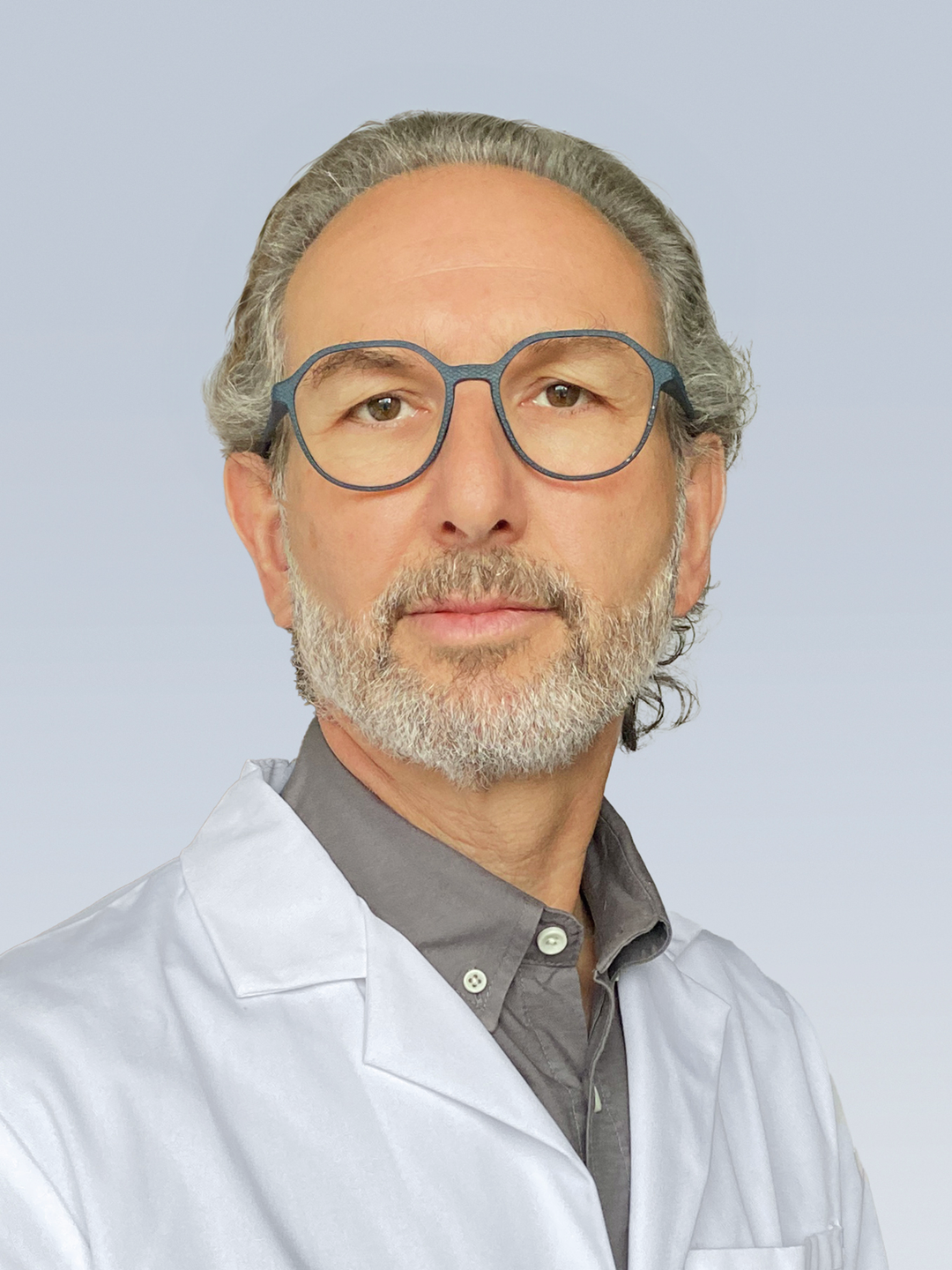
John Detre, MD
Our research focuses on brain physiology and the use of functional imaging methods including magnetic resonance imaging (MRI) and optical imaging to study brain function in both healthy subjects and in patients with a variety of clinical disorders including stroke, epilepsy, neurodegenerative disease, traumatic brain injury, and migraine. We are most widely known for seminal work in the development and validation of arterial spin labeled (ASL) perfusion MRI, a noninvasive quantitative perfusion method that has been translated to clinical practice. Click here for link to the Detre lab website.
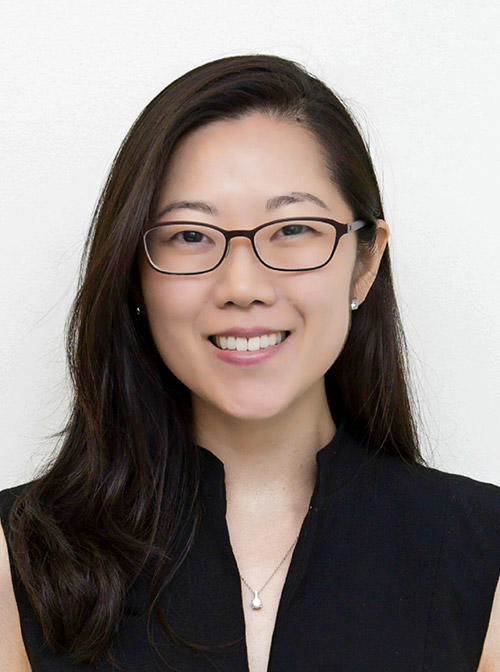
Jae Song, MD (Neuroradiology)
Our research uses high-spatial resolution vessel wall MR and CT imaging to visualize the site of vascular injury, the vessel wall, in patients with cerebrovascular diseases with a focus on achieving high diagnostic accuracy with neuroimaging. We are also striving to better understand how sex as a biological variable contributes to stroke mechanisms as this knowledge may guide personalized treatment strategies. Being at the intersection of image processing, pattern recognition, and computer vision, we are also developing automated tools using machine learning to uncover hidden patterns in data. This data-driven approach is used to identify biomarkers of cerebrovascular diseases. Click here for link to the Song lab website.
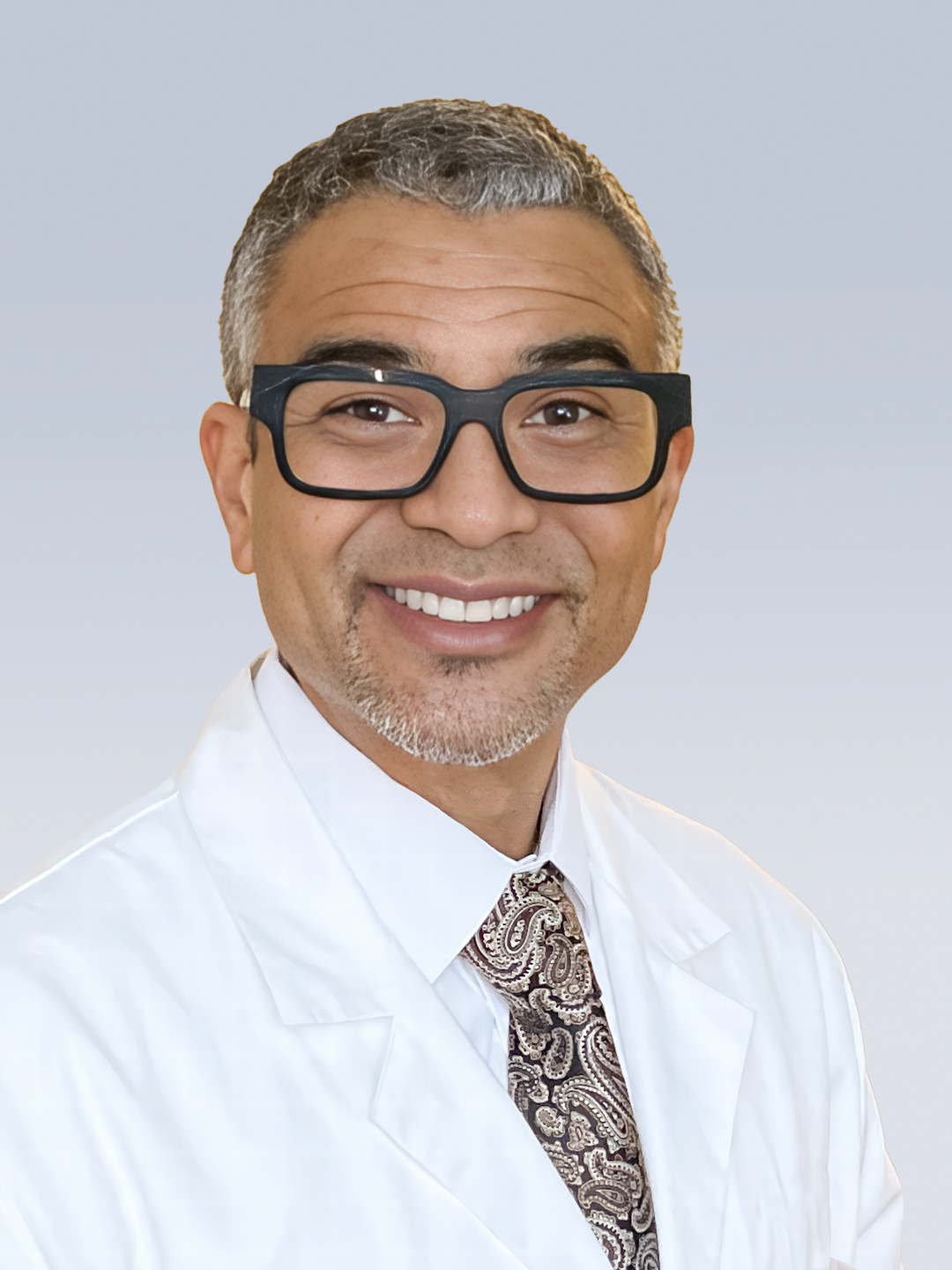
Roy Hamilton, MD
My lab studies how noninvasive brain stimulation can help the brain adapt and recover after injury. My work combines transcranial magnetic stimulation (TMS), transcranial electrical stimulation (tES), neuroimaging, and behavioral approaches to understand and improve cognitive functions in persons who have had strokes or experienced other causes of cognitive decline. A major focus of my research is developing new strategies to treat aphasia, the loss of language ability. I also oversee a center that is dedicated to advancing neuromodulation research more broadly at the University of Pennsylvania. Click here for a link to the Laboratory for Cognition and Neural Stimulation and here to learn more about the Penn Brain Stimulation, Translation, Innovation, and Modulation (brainSTIM) Center.
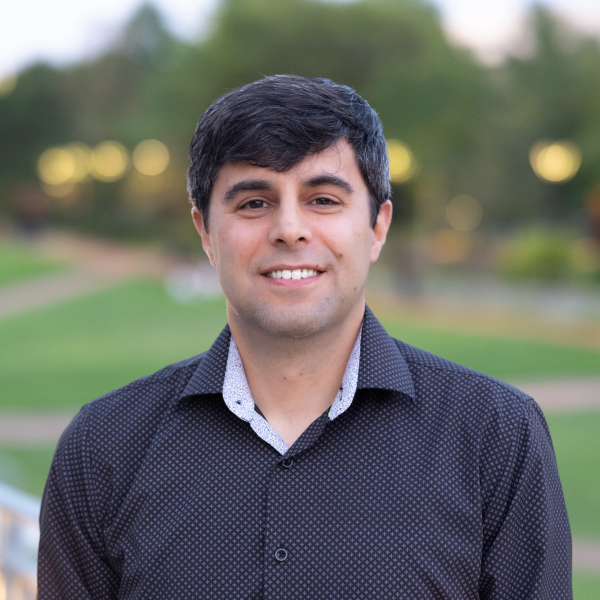
Jacob S. Brenner, MD, PhD (Medicine)
My lab uses the tools of nanomedicine and genetic medicine to engineer novel therapeutics. Over the past years, we have published a series of high-impact publications related to lipid nanoparticles (LNPs) that elucidate mechanisms of LNP-associated inflammation in order to engineer next-generation LNPs that are safe for use in wide-spread disease applications, including critical illness like stroke. We also were the first to publish on safer non-viral DNA delivery using lipid nanoparticles loaded with endogenous anti-inflammatory lipids, that lead to safe in vivo expression. Click here for link to the Brenner lab website.

Kahlilia Morris-Blanco, PhD (Cell and Developmental Biology)
We investigate the role of epigenetics in stroke pathophysiology. Our laboratory is particularly interested in how epigenetic mechanisms regulate mitochondrial properties and brain damage after stroke. Using experimental models of stroke, we examine the role of DNA modifications as well as epigenomic readers, writers, and erasers in the post-stroke brain with cutting-edge tools. Our research merges neuroscience, genomics, and biochemistry with neurological applications. Our experimental approach lies at the intersection of mechanistic investigations into brain function and preclinical applications in the diseased brain. Our goal is to translate scientific discoveries at the bench to novel treatment strategies in the clinic. Click here for a link to the Morris-Blanco lab website.
Current Clinical Trials
 Penn Neurology - Division of Stroke and Vascular Neurology